Production · Installation
Exhibition stall fabrication starts with resolved details.
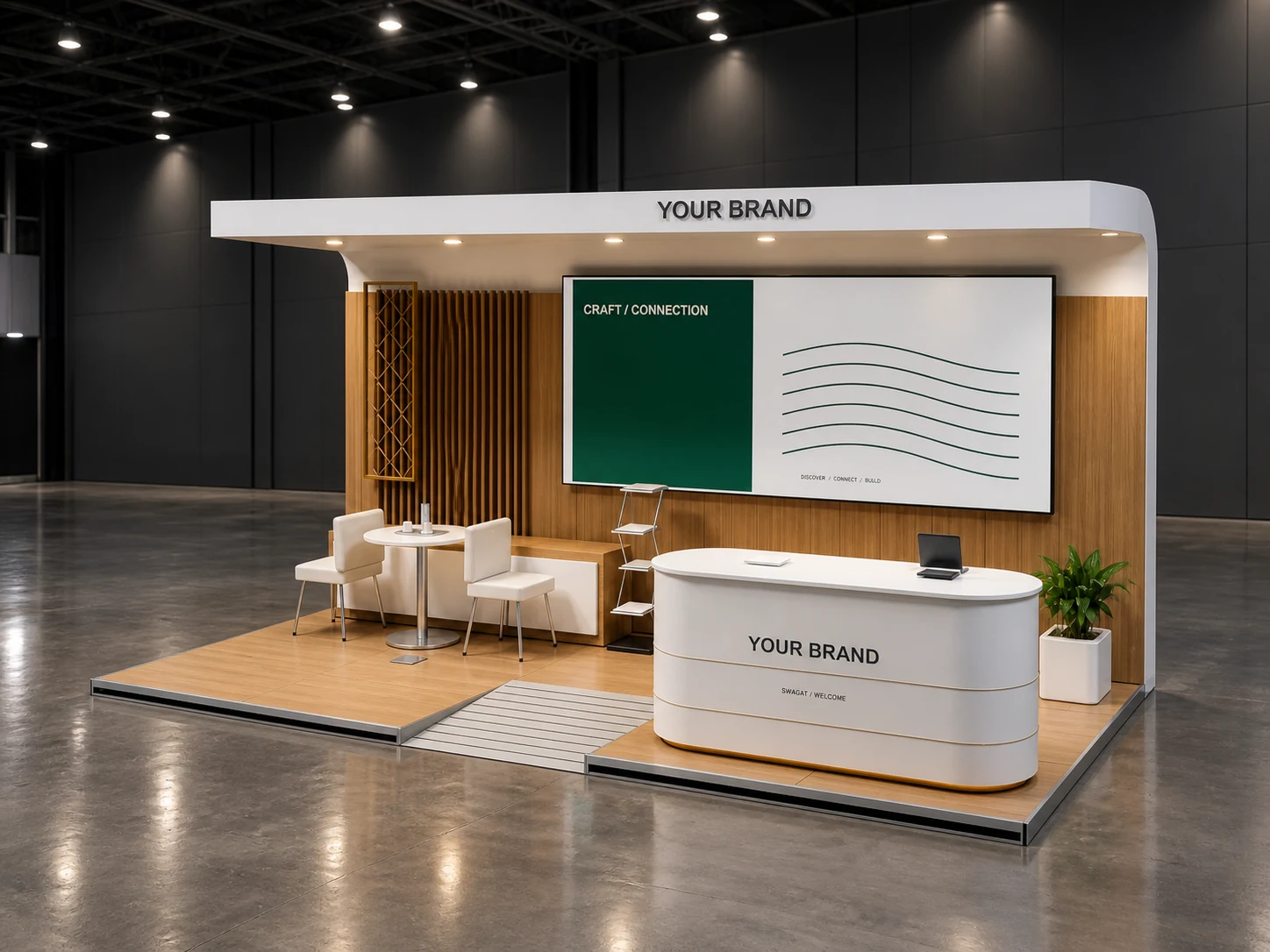
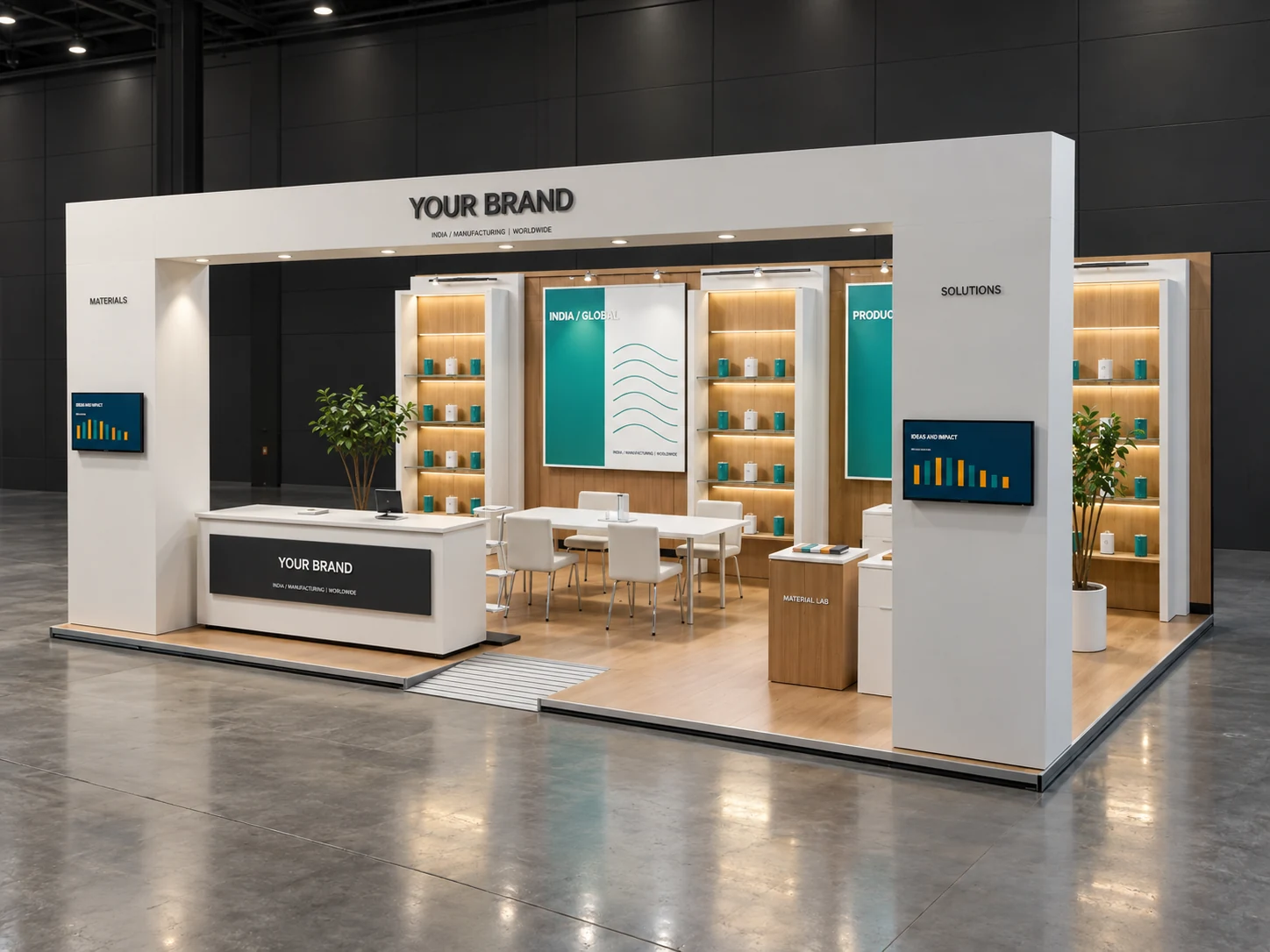
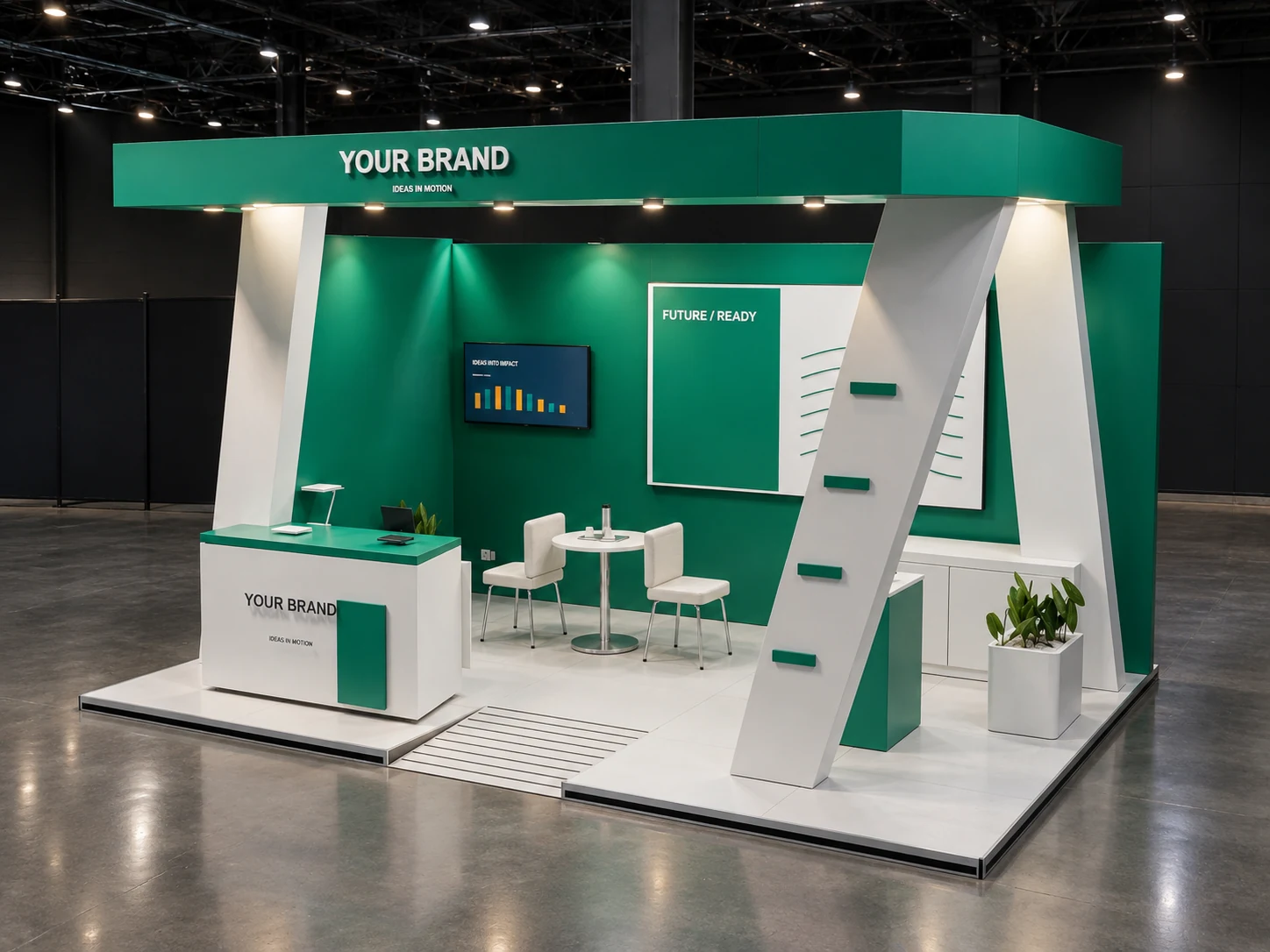
A render communicates the idea. Fabrication turns that idea into a usable exhibition space through drawings, material decisions, production checks and a coordinated installation plan. Lumian Studio connects these stages so that the design you approve can be developed for the actual event.
01
Define the build before production begins
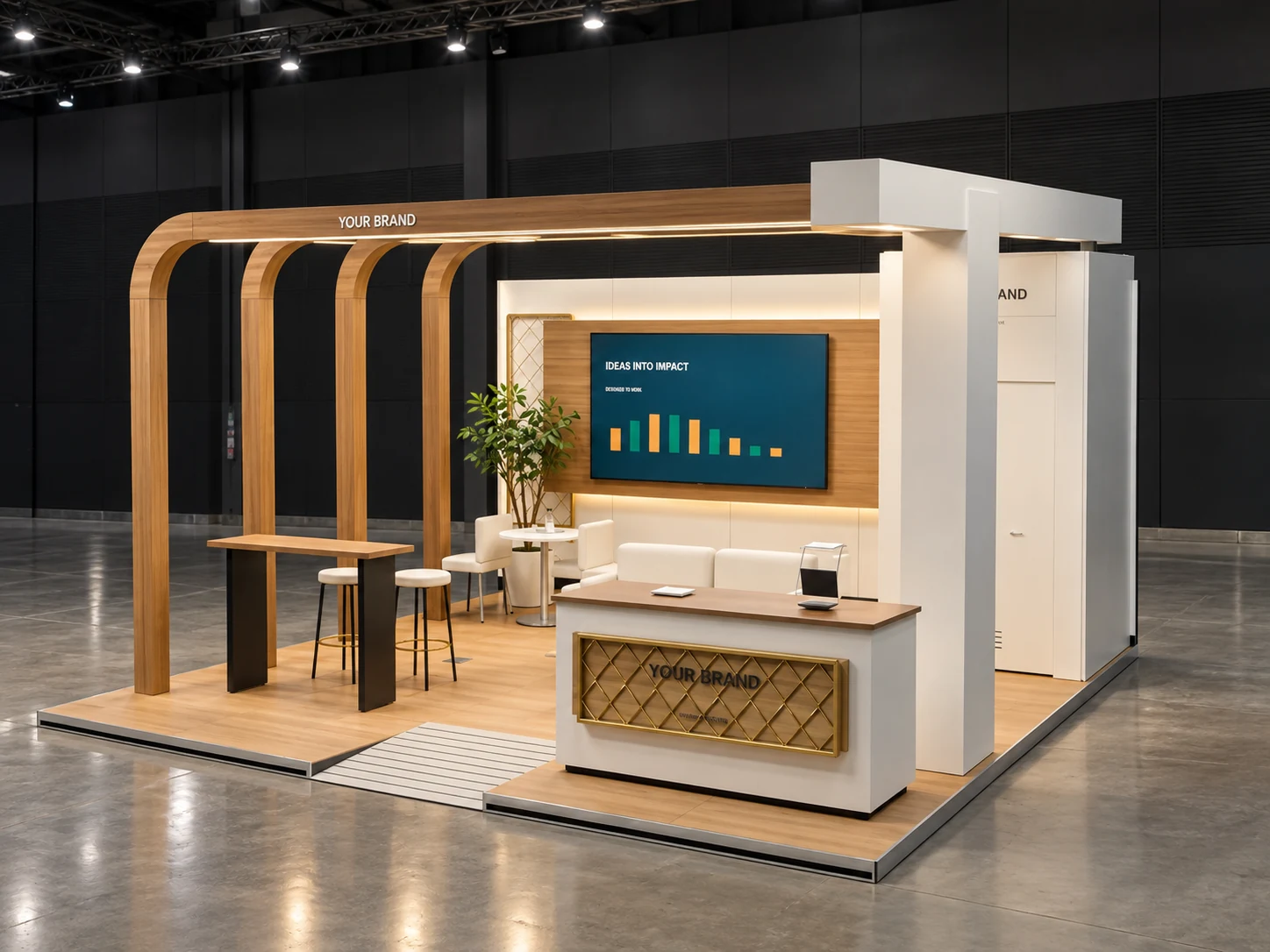
The approved layout should locate product displays, reception, seating, storage and demonstration equipment. Working drawings then resolve the structure, surfaces, joinery, graphics and lighting. Review how these parts meet: the edge of a display, a graphic panel joint and a visible cable can change the finished impression as much as the main architectural feature.
Material and finish choices need to be explicit. A colour in a render does not specify the actual coating, printed surface or texture. Agree the finish schedule and review appropriate samples or references. Where a display supports a product or equipment, share its dimensions, weight and operating requirements so the design team can assess the detail with the relevant specialists.
02
Keep graphics and technology in the same plan
Graphics should be designed to the final production dimensions rather than stretched into the available space at the end. Confirm logos, image quality, copy and approval ownership early. Position screens and demo stations for their intended viewer, and plan access for the person operating them. Electrical and AV requirements should be coordinated with the event’s service arrangements.
The exhibitor manual and organiser approvals govern what can be built at the show. Lumian’s agreed scope can include working drawings, electrical layouts, material declarations and organiser submissions. The specific documents and checks depend on the event; no generic fabrication package replaces its current requirements.
03
Plan production, transport and handover together
Production milestones should work backwards from the show opening. Allow decisions to be checked before dispatch and identify which elements are installed or finished on site. A change after fabrication begins can affect materials, graphics, transport and installation, so track revisions against the approved drawing set rather than relying on separate messages.
At handover, inspect the stall as both a visitor and an exhibitor. Check the approved display positions, graphic finish, lighting, AV operation and access to storage. Record remaining snags with an owner. After the exhibition, the dismantling plan should identify what is returned, recovered, stored or disposed of under the agreed scope.
- Approved drawings and a clear material and finish schedule.
- Final artwork, display inventory and confirmed equipment requirements.
- An organiser submission checklist and installation programme.
- A handover checklist and an agreed dismantling or reuse plan.
Before you begin
Practical questions.
- Can Lumian fabricate a stall from an existing concept?
- Share the concept, drawings, exhibitor manual and deadline. The team can review the information and identify what needs to be resolved before confirming fabrication scope.
- Can fabricated elements be reused at the next show?
- Reusable structures, lightboxes, furniture and branded elements can be planned from the start. Confirm the next footprint, packing, storage and refurbishment needs before deciding which parts to retain.